What Is High Cholesterol?
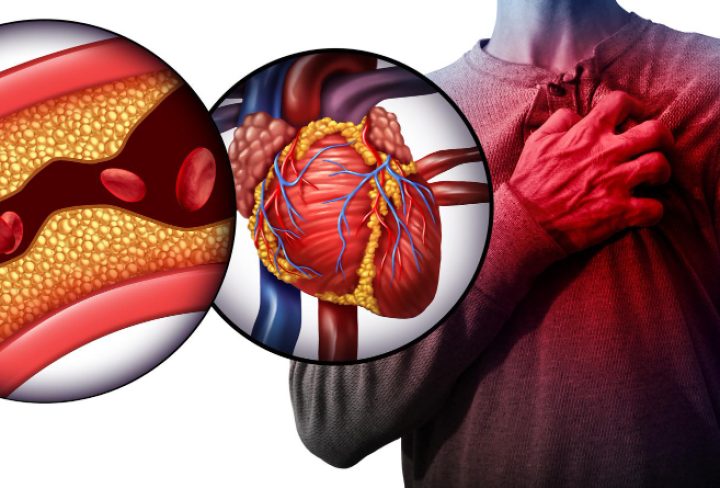
High cholesterol means there is too much cholesterol in your blood. Cholesterol is a waxy, fat-like substance. Your body needs some cholesterol to build cells and make hormones. However, too much can cause problems. For example, high cholesterol can lead to blocked blood vessels. As a result, your heart may not get enough blood. This raises your risk for heart disease and stroke. According to the CDC, about 38% of adults in the United States have high cholesterol.
Types of Lipid Disorders
Lipid disorders are problems with fats in your blood. Cholesterol is a type of fat, or lipid. There are different types of cholesterol, and each plays a role in your health. For instance, doctors often talk about LDL and HDL cholesterol.
When these fats are out of balance, it is called a lipid disorder. Importantly, not all lipid disorders are the same. Some people have high LDL, while others may have low HDL or high triglycerides.
Common Symptoms and Warning Signs
Usually, high cholesterol does not cause symptoms. In fact, many people do not know they have it until they get a blood test. However, very high cholesterol can sometimes cause signs, such as:
Still, most people feel fine. Because of this, regular cholesterol checks are important for early detection.
Causes and Risk Factors
Several things can cause high cholesterol. Sometimes, it runs in families. Other times, lifestyle choices play a big role. For example, eating foods high in saturated fat can raise your cholesterol levels. In addition, being overweight or not moving enough can increase your risk. Smoking and drinking too much alcohol also make things worse. Age and certain health conditions, like diabetes or kidney disease, can raise your risk as well.
Even though you cannot change your age or family history, you can control many other risk factors.
How High Cholesterol Is Diagnosed
Doctors use a simple blood test to check cholesterol levels. This test is called a lipid panel. It measures:
Usually, you need to fast for 9 to 12 hours before the test. After the results, your doctor will explain what your numbers mean. If your LDL is high or your HDL is low, you may need treatment. Regular testing helps track your progress and guides cholesterol management tips.
Treatment Options for High Cholesterol
Doctors use different methods to lower high cholesterol. Often, the first step is changing your diet and exercise habits. However, some people need medicine as well. Statins are the most common drugs for lowering LDL cholesterol. Other medicines may help if statins are not enough or cause side effects. Your doctor will choose the best plan for you based on your cholesterol levels and heart disease risk.
With the right treatment, you can lower your risk of heart disease and stroke.
Lifestyle Changes for Managing Cholesterol
Making healthy choices is key to cholesterol management. Even small changes can make a big difference. For example, eating more fruits and vegetables helps lower cholesterol. In addition, regular exercise boosts your HDL, or “good” cholesterol. Try to move for at least 30 minutes most days.
Because these steps are proven to help, many doctors recommend them as the first line of defense.
Preventing High Cholesterol and Heart Disease
Prevention is always better than treatment. You can lower your heart disease risk by keeping your cholesterol levels in a healthy range. Start with regular check-ups, especially if you have a family history of high cholesterol. Next, follow a heart-healthy diet and stay active. Avoid smoking and limit alcohol. If you live in a city like New York or Los Angeles, take advantage of local parks and walking paths. Early action helps protect your heart for years to come.