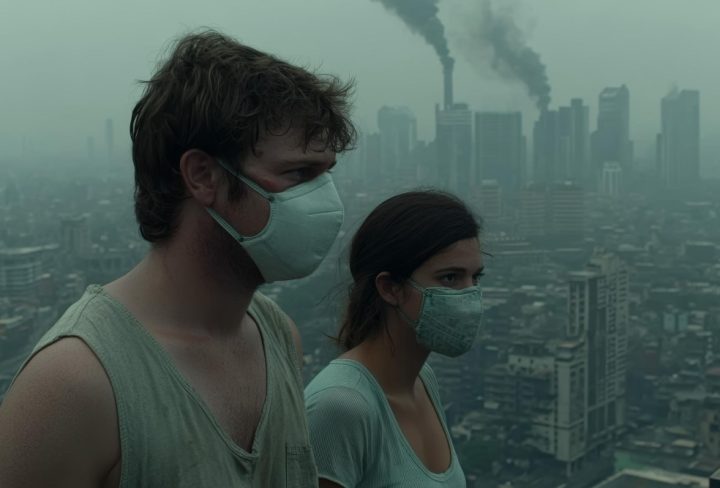
What is Air Pollution?
Air pollution means harmful substances in the air we breathe. These substances can come from cars, factories, fires, or even dust. Because we all need clean air, pollution can affect everyone. Some common air pollutants include smoke, chemicals, and tiny particles. In many cities, air quality changes daily. Therefore, it is important to know what causes air pollution and how it spreads.
How Air Pollution Affects Public Health
Air pollution can harm your health in many ways. For example, breathing dirty air can make it hard to breathe. Over time, it can damage your lungs and heart. Even short-term exposure can cause coughing or throat irritation. However, long-term exposure may lead to serious diseases. Because air pollution affects everyone, it is a major public health concern. Children, older adults, and people with health problems are especially at risk.
Common Health Conditions Linked to Air Pollution
Many health problems are linked to poor air quality. Some of the most common include:
In addition, air pollution can make existing health issues worse. For example, people with asthma may have more attacks when air quality is poor.
Who is Most at Risk?
While air pollution affects everyone, some groups are more vulnerable. These include:
Because these groups are more sensitive, they should take extra care during days with poor air quality.
Prevention and Protection Tips
Although you cannot control outdoor air, you can take steps to protect yourself. Here are some helpful tips:
In addition, you can help prevent air pollution by using public transport, walking, or biking instead of driving.
Recent Data and Trends
According to the World Health Organization (WHO), air pollution causes about 7 million deaths each year worldwide. In many cities, air quality often falls below safe levels. The Centers for Disease Control and Prevention (CDC) reports that air pollution can lead to more hospital visits, especially for breathing and heart problems. Because of these risks, many countries are working to improve air quality. However, pollution levels can still be high in some areas, especially during certain seasons or weather events.
Conclusion and Call-to-Action
In summary, the impact of air pollution on public health is serious. It can cause many health problems and affect people of all ages. However, you can take steps to protect yourself and your family. Always check air quality reports and follow safety tips. If you have breathing or heart problems, talk to your doctor for advice. For personalized guidance, consult a healthcare professional. Your health matters, so stay informed and take action to breathe easier every day.